


Trade Show Budget Planning: A Step-by-Step Guide
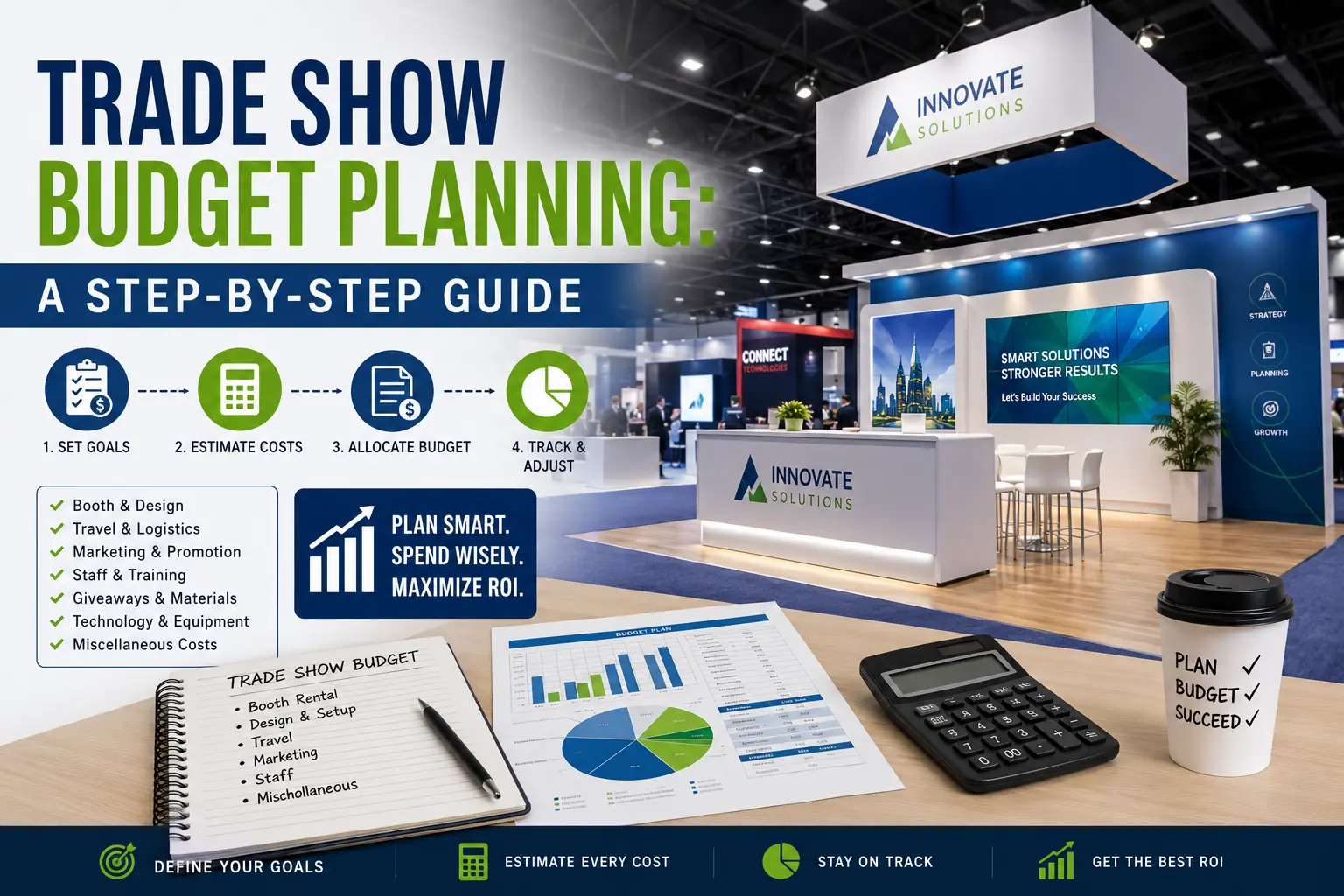
Trade shows remain one of the most powerful marketing platforms for businesses across the United States. Whether you're introducing a new product, entering new markets, or building stronger relationships with customers and industry partners, exhibiting at a trade show offers business growth opportunities. However, a successful exhibition starts long before the event it begins with strategic budget planning.
Many exhibitors underestimate the total cost of participating in a trade show. In addition to exhibit space, expenses such as booth design and construction, shipping, labor, travel, marketing materials, technology, and lead generation can quickly increase overall costs. Without a carefully planned budget, businesses may overspend while limiting their return on investment (ROI). This step-by-step guide will help you create an effective trade show budget of your next exhibition in the USA.
Why Trade Show Budget Planning Matters
A well-planned trade show budget acts as the foundation of your entire exhibition strategy, helping you manage expenses while maximizing the impact of your investment. With a structured budget in place, your team can set realistic financial expectations, monitor estimated versus actual expenses, minimize unexpected last-minute costs, accurately track return on investment (ROI), and make more informed decisions for future trade shows.
Here are few steps for trade show budget planning:
Step 1: Define Your Trade Show Goals
Before determining your trade show budget, clearly establish your exhibition goals and define what success means for your business. For instance, a company launching a flagship product may benefit from a premium trade show exhibition booth featuring interactive displays and immersive experiences, while a business focused primarily on networking or brand awareness may achieve its goals with a smaller, cost-effective exhibit.
- Number of booth visitors
- Qualified leads
- Sales meetings
- Product demonstrations
Step 2: Estimate Your Total Budget
Start by establishing an overall spending limit that aligns with your annual marketing budget and exhibition objectives. Assigning a specific budget to each category helps prevent overspending and ensures resources are allocated efficiently throughout the planning process. Additionally, experienced exhibitors typically set aside 10–15% of their total budget to cover unexpected expenses or last-minute requirements, helping them avoid financial surprises during the event.
Step 3: Choose the Right Booth Size
One of the biggest budget decisions involves booth size.
Step 4: Decide Between Purchasing or Renting
One of the key decisions in trade show budget planning is whether to invest in a custom exhibit or opt for a trade show rental booth. Rental booths are a cost-effective solution for businesses that exhibit occasionally, as they eliminate expenses related to long-term storage, maintenance, and transportation while providing access to modern, professionally designed displays.
Step 5: Invest in Strategic Booth Design
Your exhibit should be more than just visually appealing—it should be strategically designed to support your marketing objectives and enhance the visitor experience. An effective trade show booth design attracts attendees, encourages meaningful interactions, and creates opportunities for valuable business conversations. Every element, from the layout and graphics to product displays and interactive features, should guide visitors naturally your brand identity and key messaging.
Step 6: Budget for Logistics and Installation
Many first-time exhibitors underestimate logistics expenses.
- Freight shipping
- Material handling
- Warehouse storage
- Electrical services
- Internet access
- Cleaning services
- Booth dismantling
Step 7: Allocate Budget for Marketing and Promotion
A dedicated marketing budget helps drive traffic to your booth before, during, and after the event.
- Pre-show email campaigns
- Social media advertising
- Press releases
- Appointment scheduling
- Product launch announcements
- Promotional giveaways
Step 8: Plan for Staff Travel and Training
Your booth staff plays a significant role in determining the success of your exhibition.
- Airfare
- Hotel accommodations
- Local transportation
- Meals
- Uniforms or branded apparel
Step 9: Include a Contingency Fund
Unexpected expenses are common at trade shows.
- Rush shipping charges
- Last-minute graphic reprints
- Additional electrical requirements
- Equipment repairs
- Extra labor hours
- Furniture replacements
Common Trade Show Budgeting Mistakes to Avoid
Many exhibitors exceed their budgets because they overlook critical planning details. Avoid these common mistakes:
- Waiting until the last minute to book booth space or services
- Ignoring shipping and drayage costs
- Underestimating labor expenses
- Failing to reserve a contingency budget
Budgeting Tips for First-Time Exhibitors
If you're exhibiting for the first time, keep your strategy focused and scalable.
- Consider a trade show rental booth to reduce upfront costs
- Prioritize visitor engagement over expensive booth features.
- Compare quotes from multiple vendors
- Monitor expenses throughout the planning process.
Final Thoughts
Investing in an engaging trade show booth design and trusted trade show companies can significantly enhance your brand presence and visitor engagement. By combining strategic planning with disciplined spending, your organization will be better positioned to generate qualified leads, strengthen customer relationships, and achieve long-term exhibition success across the United States.Make your Indianapolis exhibition a success with expertly designed trade show booths. Contact our team today at info@thepropshop.us for a free consultation.
💬 Comments (0)
🙂 No comments yet — be the first to share your thoughts!