


3 Trade Show Booth Design Mistakes You Can Avoid
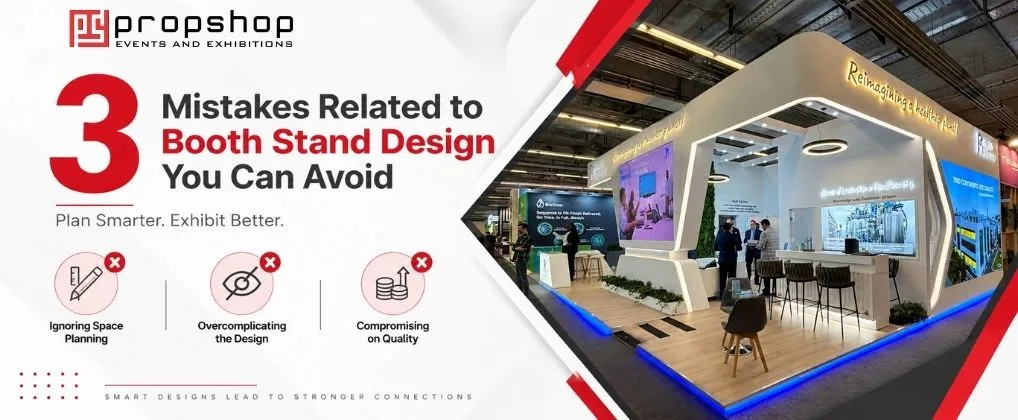
A successful exhibition booth does more than occupy floor space. It should attract attention, encourage meaningful conversations, and help your team generate leads. At a busy exhibition, however, even a strong company can become invisible if its booth design is poorly planned. With hundreds of exhibitors competing for attention, attendees make quick decisions about which booths are worth visiting.
Your layout, graphics, lighting, messaging, and overall experience can influence that decision within seconds. Whether you are exhibiting at a national convention or specialist trade show in the USA, avoiding common design errors can help you make better use of your exhibition investment.
What Are the 3 Common Mistakes in Trade Show Booth Stand Design?
Here are three mistakes worth eliminating from your next booth project:
Mistake 1: Designing for the Company Instead of the Visitor
Your booth should answer an important question: Why should an attendee stop here?
Many exhibitors approach booth design by trying to showcase everything their business offers. They add multiple product displays, company information, promotional messages, and several calls to action. Visitors do not want to study an entire catalog while walking through an exhibition hall. They need a quick reason to stop and engage.
Instead, build your design around the visitor journey:
Attract → Inform → Engage → Convert
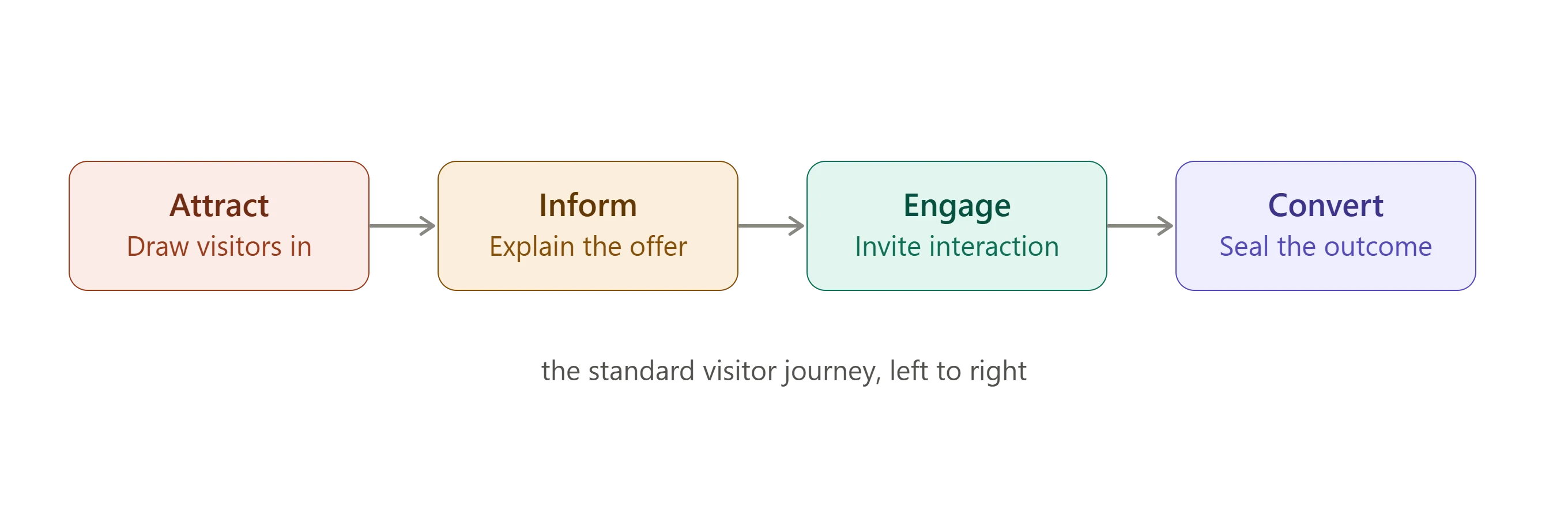
Once visitors enter, the layout should help them discover products, interact with demonstrations, speak with your team, and take the next step. A strategically planned trade show exhibition booth can guide visitors through this journey without making the experience feel forced.
What to consider:
- What will visitors notice first?
- Where will product demonstrations happen?
- Where can sales conversations take place?
- How will leads be captured?
- What will encourage visitors to stay longer?
When these questions are answered during the design stage, your booth becomes a marketing tool rather than simply a decorated space.
Mistake 2: Forgetting That Your Booth Is a 3D Experience
Some exhibitors think about booth design primarily as a collection of graphics. They focus on banners, logos, images, and messaging but overlook the physical experience. An exhibition booth is a three-dimensional environment. Visitors notice its height, openness, lighting, flooring, displays, meeting spaces, and movement paths. These elements influence how professional, approachable, and memorable your brand feels.
Consider creating different zones within the space:

1. Attraction zone
This is the area visible from the aisle. Use strong branding, architectural elements, lighting, or an engaging display to attract attention.
2. Engagement zone
This area should encourage visitors to interact with your products, technology, demonstrations, or staff.
3. Conversation zone
Provide a comfortable area where qualified prospects can have focused discussions with your team.
4. Conversion zone
Make it easy for visitors to take the next step, whether that means scanning a QR code, booking a meeting, or speaking with a salesperson.
A professional trade show booth design agency in the USA can help connect these zones into one cohesive visitor journey. The goal is not simply to make the booth impressive. It is to make the space work.
Mistake 3: Leaving Planning Until the Last Minute
Even an excellent design can fail if there is insufficient time for production and preparation. Exhibition projects involve more than creating a concept. Depending on the project, you may need design approvals, graphic production, fabrication, electrical planning, venue coordination, installation, and final inspections. Leaving these tasks until the final weeks can create unnecessary pressure and additional costs.
Start by establishing a realistic timeline:

1. Define your objectives
Determine whether your priority is lead generation, product launches, meetings, demonstrations, brand awareness, or a combination of goals.
2. Confirm the exhibition requirements
Review booth dimensions, venue regulations, installation deadlines, electrical requirements, hanging-sign restrictions, and other show-specific guidelines.
3. Develop the concept
Work with your design team to create a layout that reflects your brand and supports visitor interaction.
4. Review the 3D design
A 3D visualization allows your team to understand how the finished booth will look and identify potential issues before fabrication.
5. Prepare your booth team
Your staff should understand the booth layout, visitor journey, lead-generation process, demonstrations, and key messages before the event begins.
Working with an experienced trade show booth builder from the early planning stage can help coordinate these moving parts and reduce last-minute complications.
A Better Way to Evaluate Your Booth Design
Before approving your final design, step back and evaluate it from an attendee's perspective.
Ask yourself:
- Can people identify my brand immediately?
Your branding should be prominent and recognizable.
- Can visitors understand what we offer?
Your main message should be simple and easy to read.
- Does the layout invite people inside?
Avoid creating unnecessary barriers between the aisle and your team.
- Can my team have meaningful conversations?
Provide appropriate space for both quick discussions and longer meetings.
- Does the booth support our goals?
Every major element should have a reason for being there.
Turn Your Booth Into a Competitive Advantage
Exhibiting is an opportunity to put your brand directly in front of potential customers, partners, investors, and industry professionals. But simply showing up is not enough. Your booth needs to compete for attention and provide a reason for visitors to engage. By avoiding unclear messaging, visitor-focused design problems, poor spatial planning, and rushed preparation, you can create a more effective exhibition presence.
Conclusion
A well-planned trade show exhibition booth should feel like a natural extension of your brand. With the right combination of graphics, lighting, technology, products, and hospitality, it can attract visitors and turn conversations into valuable business opportunities. Whether you need a flexible rental solution or a fully custom trade show booth, choose a partner that understands your objectives and can manage the project from concept through installation.
An experienced trade show booth builder can help turn your ideas into a practical, memorable exhibit that is ready to perform when the doors open. The next trade show could bring thousands of potential customers to your doorstep. Make sure your booth gives them a compelling reason to stop, engage, and remember your brand.