


Custom Trade Show Booth Design: The Concept-to-Installation Process, Explained
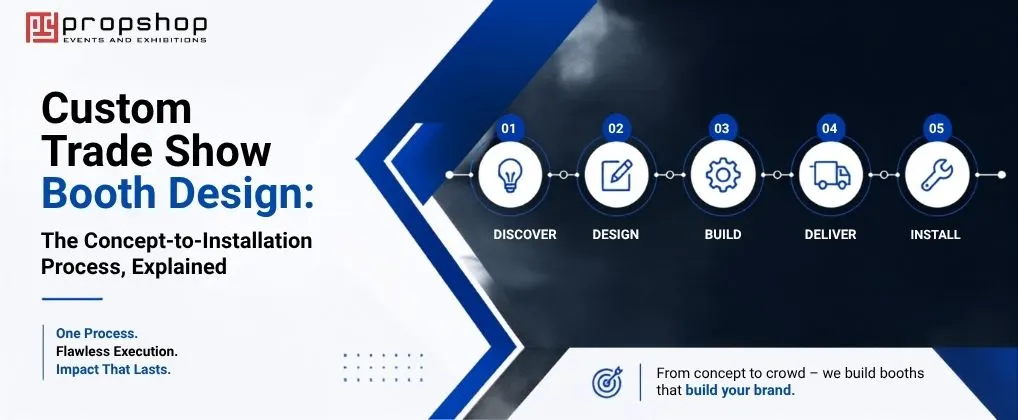
Behind every memorable trade show exhibition booth is a strategic process that combines creative design, brand storytelling, fabrication, logistics, and flawless execution. For businesses exhibiting at a trade show, the booth is often the first physical interaction prospects have with the brand.
It needs to capture attention quickly, communicate value clearly, and create an environment where meaningful conversations can happen. Instead of using a generic setup, brands can create an exhibit tailored to their objectives, audience, products, and available space.
Why Does the Concept-to-Installation Process Matter?
An impressive booth begins long before the first piece of material is fabricated. Every stage from understanding your objectives to installing the final graphic, affects the visitor experience. A professional trade show booth builder coordinates these stages to ensure the finished exhibit reflects the original creative vision while remaining practical, compliant, and ready.
The process typically includes:
1. Strategy and goal setting
2. Creative concept development
3. 3D design and visualization
4. Design approval and engineering
5. Fabrication and quality control
6. Logistics and show coordination
7. On-site installation
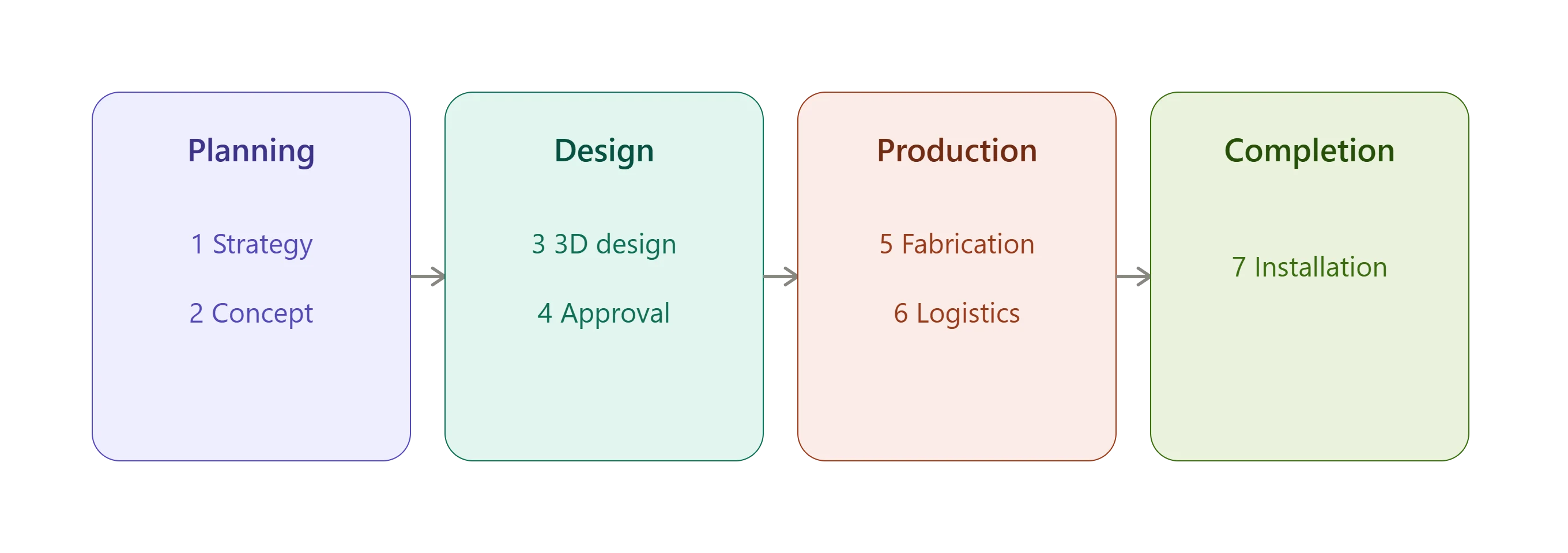
Let's look at all the steps and how each stage works:
Step 1: Start With Strategy, Not Structure
Before choosing materials, colors, or furniture, determine what the exhibit needs to accomplish. These objectives influence the entire booth design for trade shows. For example, a technology company focused on product demonstrations may need interactive screens and demonstration counters, while a B2B service provider may prioritize private meeting rooms and consultation areas.
Step 2: Turn Your Brand Into a Creative Concept
Once the objectives are established, the design team transforms them into a visual concept. This will involve considering key marketing messages, product presentation, visitor flow, meeting spaces, demonstration areas, lighting and signage, and accessibility. The goal is to create an environment that naturally guides visitors from attention to interaction to action. An experienced trade show booth design agency in USA can combine brand strategy with spatial design to create an exhibit that feels distinctive.
Step 3: Visualize the Booth in 3D
Before fabrication begins, 3D visualization allows exhibitors to see how the proposed custom trade show boothwill look from different perspectives. This is where important decisions can be made before production, including graphic placement, product positioning, lighting effects, screen locations, storage solutions, etc. Marketing teams, designers, and decision-makers can review the same concept and request changes before construction begins.
Step 4: Select the Right Rental Booth Solution
Companies exhibiting at multiple events or testing a new market may find trade show booth rental a practical alternative. Rental exhibits offer flexibility while still allowing brands to incorporate custom graphics, branded structures, product displays, lighting, and technology. You can also choose a custom trade show booth solution for your next show. The right solution depends on your event schedule, budget, branding requirements, storage plans, and long-term exhibition strategy.
Step 5: Engineer and Fabricate the Exhibit
Once the design is approved, the creative concept moves into production. The fabrication stage transforms digital drawings into physical components. Depending on the design, this may involve structural framing, custom carpentry, printed graphics, signage, lighting, product displays, AV and technology integration. Components should be checked for dimensions, structural requirements, and compatibility before they reach the show floor. Your trade show booth builder should also account for venue regulations and installation requirements during production.
Step 6: Manage Shipping and Show Logistics
A beautifully fabricated exhibit is useless if it doesn't arrive at the right place at the right time. Trade show logistics can involve advance warehousing, direct-to-show shipping, material handling, installation labor, electrical services, internet, rigging, and venue-specific requirements. For exhibitors traveling across the country, professional logistics management can reduce last-minute complications. This is particularly valuable for brands participating in multiple events across the trade show in USA.
Step 7: Bring the Concept to Life With Installation
Installation is where the approved concept becomes a physical brand experience. The on-site team assembles the structure, installs graphics, connects technology, sets up lighting, and completes final details. A professional installation team also checks the booth against the approved design to ensure that the finished exhibit delivers the intended visual impact. The objective is simple: when the show opens, your team should walk onto a finished, clean, functional exhibit.
What Makes Booth Design for Trade Shows Effective?
Create a Booth That Attracts Visitors. Get Your Free Exhibit Consultation Today.
How Does Trade Show Booth Rental Fit Into the Process?
Modern trade show booth rental solutions can be customized with branded graphics, lighting, furniture, displays, meeting areas, and technology. For companies exhibiting at several locations, rental can also reduce the need to transport and store a permanent exhibit between events. When evaluating rental options, consider more than the initial price. Ask about design customization, fabrication quality, installation, dismantling, transportation, storage, and project management.
The Real Value of a Custom Trade Show Booth
A custom trade show booth should do more than fill an allocated floor space. It should work as a marketing environment that attracts the right audience and supports your sales objectives. When the layout, messaging, graphics, technology, and visitor flow are designed around your goals, the exhibit can become a powerful face-to-face marketing tool. The best results come when design decisions are made with the entire visitor journey in mind.
From First Sketch to Show Floor
The journey from concept to installation involves much more than designing a visually appealing exhibit. It requires strategy, creativity, technical expertise, production control, logistics, and precise execution.
Conclusion
Whether you choose a permanent exhibit or trade show booth rental, working with an experienced partner can help turn your ideas into reality to achieve business objectives.
💬 Comments (0)
🙂 No comments yet — be the first to share your thoughts!