


Exhibitor Guide for Las Vegas Convention Center: Rules and Regulations You Must Know
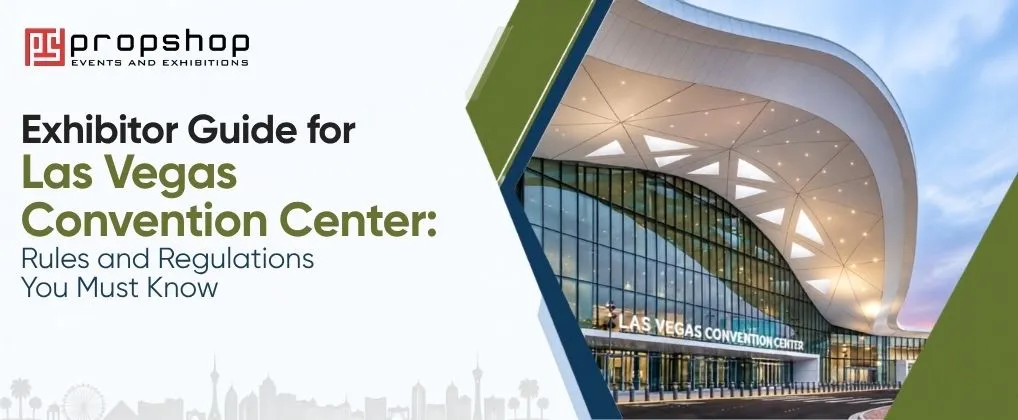
The Las Vegas Convention Center (LVCC) is one of the most important venues for major exhibitions, conventions, and business events in the United States. With its expansive exhibit halls and high-profile event calendar, it gives brands an excellent opportunity to connect with industry professionals and generate valuable leads. However, exhibiting at LVCC requires more than creating an attractive booth.
You need to follow some important rules and regulations when exhibiting at Las Vegas Convention Center. From booth dimensions and fire safety to electrical services, freight handling, and installation schedules, exhibitors must comply with several venue and event-specific requirements. Understanding these rules can help prevent unexpected expenses and compliance issues.
Essential Exhibitor Rules for Las Vegas Convention Center
Here are the key regulations every exhibitor should consider when preparing for an event at the Las Vegas Convention Center:
1. Start With the Event's Exhibitor Manual
Before designing your exhibit, obtain the latest exhibitor manual from your event organizer. While the LVCC has general facility policies, individual events may establish additional requirements for booth construction, hanging signs, demonstrations, shipping, and installation.
Pay close attention to:
- Booth size and location
- Hanging sign requirements
- Electrical services
- Fire and safety regulations
- Freight and material handling
Requirements can vary from one event to another, so previous experience at another trade show in the USA should not be treated as a guarantee that the same rules apply at LVCC.
2. Make Booth Compliance Part of the Design Process
Your concept should be developed around the actual booth footprint, venue restrictions, neighbouring exhibits, visitor movement, and safety requirements. Whether you're planning a compact display or a large custom trade show booth, review the technical specifications before approving the final design.
Your design team should check:
- Wall and structural elements
- Signage placement
- Meeting rooms
- Product displays
- Lighting structures
- Emergency pathways
A visually impressive booth that requires significant modifications after fabrication can quickly increase your exhibition budget. Early compliance checks are therefore much more cost-effective.
Your Successful Exhibition Starts Here. Get a Free Booth Assessment Today
3. Understand Exhibitor-Appointed Contractor Requirements
If you are bringing an outside contractor to work on your exhibit, verify the venue's requirements before signing the production agreement. The Las Vegas Convention and Visitors Authority requires contractors working at the Las Vegas Convention Center to obtain the applicable EAC permit. Contractors are also required to provide documentation such as appropriate insurance coverage as part of the application process.
This makes contractor verification an essential step when selecting a trade show booth builder.
Before appointing your contractor, ask:
- Are you familiar with LVCC requirements?
- Will you handle venue paperwork?
- Can you coordinate installation and dismantling?
- Who will manage on-site issues?
Choosing an experienced partner can make the administrative side of exhibiting considerably easier.
4. Check Fire-Retardant Material Requirements
Safety regulations should influence your booth materials from the beginning. Graphics, fabrics, carpeting, decorative elements, ceilings, wall coverings, and other components may be subject to applicable fire-safety requirements. Instead of selecting materials based only on appearance or price, discuss compliance with your production team before manufacturing begins. An experienced trade show booth design agency in the USA can help identify suitable materials and construction approaches.
5. Plan Electrical Requirements Before Installation
Modern exhibition booths depend heavily on electricity. LED walls, monitors, laptops, lighting systems, refrigerators, interactive displays, and product demonstrations can all increase power requirements. Waiting until installation day to calculate your electrical needs can create unnecessary complications.
Prepare an equipment list containing:
- Number of displays
- Lighting fixtures
- LED screens
- Computers
- Charging stations
Your trade show booth builder can then incorporate electrical requirements into the technical drawings and coordinate the appropriate services.
6. Understand Freight and Material Handling Procedures
Getting your booth components to Las Vegas is a major logistical consideration. Large exhibits may involve display structures, graphics, furniture, flooring, and promotional materials.
Work with your contractor to determine:
- Where shipments should be delivered
- Required delivery dates
- Return freight procedures
- Dismantling deadlines
Don't wait until the week of the event to finalize shipping details. For exhibitors attending a major trade show in the USA, freight delays can have a significant impact because multiple exhibitors may be moving large quantities of materials into the venue at the same time.
7. Verify Internet and Technology Services
Technology can transform an ordinary booth into an engaging brand experience. Interactive displays, digital product presentations, lead-capture systems, virtual demonstrations, and large-format LED screens can all increase visitor engagement. However, technology needs appropriate connectivity and power.
A trade show booth design agency in the USA can help coordinate technology requirements with the overall booth layout.
8. Keep Promotional Activities Within the Approved Space
Exhibitors often use product demonstrations, contests, presentations, giveaways, and interactive experiences to attract attention. However, these activities should be planned so they do not interfere with neighbouring exhibitors.
When planning visitor engagement, consider:
- Where queues may form
- How many visitors can participate at once
Your objective should be to attract visitors into your booth rather than create congestion outside it.
9. Choose the Right Booth-Building Partner
Venue regulations become much easier to manage when your exhibition partner understands the process. Whether you select a trade show booth rental or a fully customized solution, your contractor should be able to coordinate design, technical planning, fabrication, logistics, installation, and dismantling. A knowledgeable contractor can identify potential problems before they reach the exhibition floor.
Conclusion
Exhibiting at the Las Vegas Convention Center can put your brand in front of an impressive audience, but successful participation requires careful preparation. Venue regulations affect almost every part of your exhibit, from the initial concept and material selection to transportation, installation, electrical services, and dismantling. When you're investing in a trade show booth rental, compliance should be considered from the first design discussion.
Working with an experienced trade show booth builder can help you navigate technical requirements, coordinate venue services, manage installation, and deliver a polished exhibit that is ready when the show opens. Most importantly, always check the latest LVCC facility policies and your event's official exhibitor manual before production. Propshop offers a one-stop solution for exhibition stand requirements, backed by experience at Las Vegas Convention Center and a strong understanding of its stand-building compliance requirements.