


How U.S. Exhibitors Are Using AI to Transform Registration and Lead Retrieval in 2026
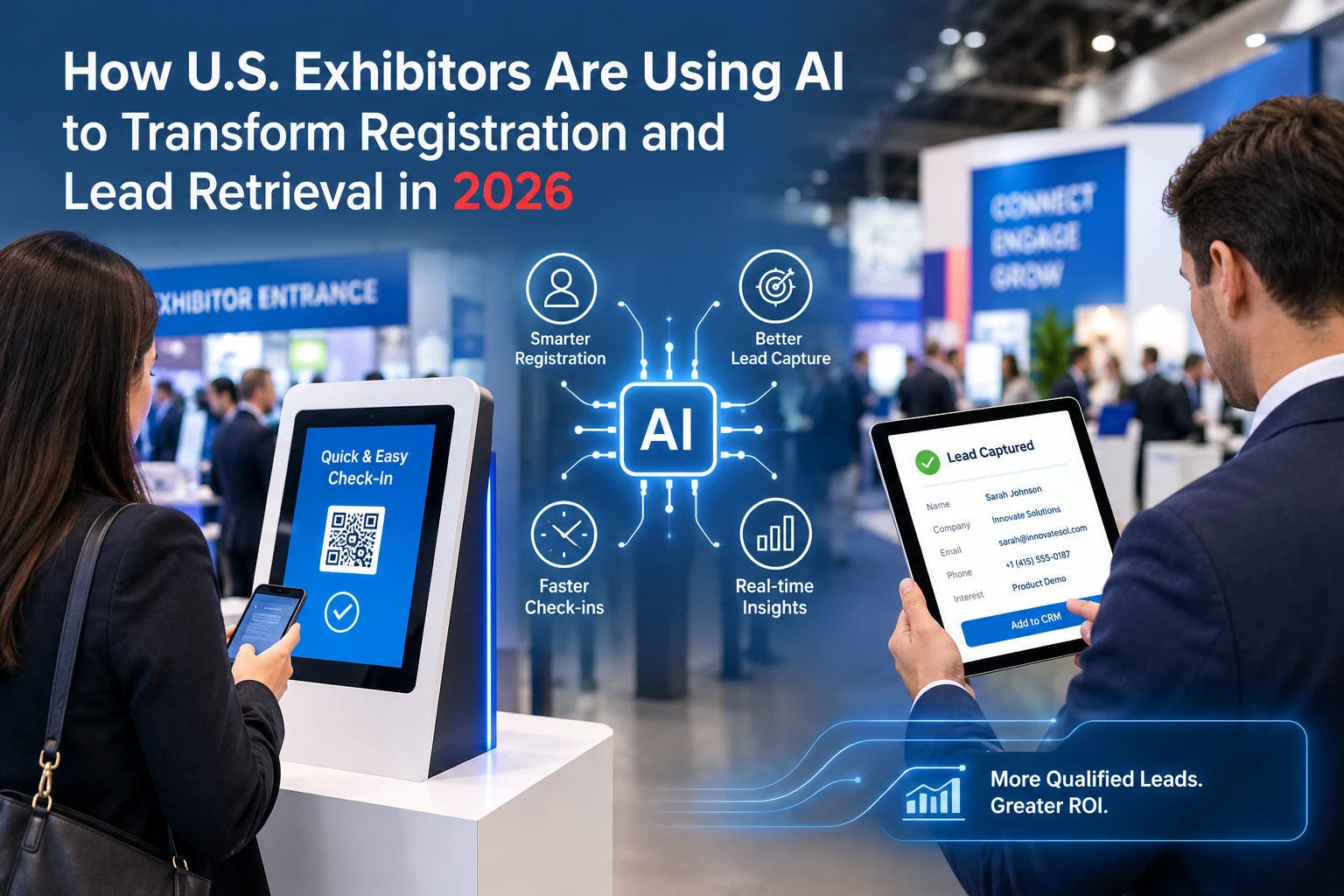
Artificial intelligence is changing the way U.S. exhibitors attract visitors, capture leads, and measure trade show success. In 2026, businesses are moving beyond traditional registration counters, paper forms, and manual lead collection. AI-powered tools are helping exhibitors create faster check-in experiences and identify valuable prospects.
For companies investing in a trade show exhibition booth, the opportunity is no longer limited to creating an impressive physical space. By combining intelligent technology, exhibitors can turn their booths into data-driven environments that support better engagement, stronger sales conversations, and measurable business growth.
U.S. Exhibitors Are Leveraging AI to Revolutionize Registration and Lead Retrieval in 2026
Here is how businesses participating in a trade show in the USA are using emerging technology to transform the exhibition experience in 2026:
1. AI-Powered Registration Is Making Check-In Faster
Registration is one of the first touchpoints between an exhibitor and a visitor. Long queues, repetitive form filling, and manual data entry can create friction before meaningful conversations even begin. AI is helping businesses streamline this process through intelligent registration systems that can integrate with event platforms, digital forms and customer relationship management (CRM) software. Visitors may be able to register using QR codes, digital invitations, online forms, or event-issued badges.
For exhibitors, the benefits include:
- Faster visitor check-in and reduced manual administration.
- More consistent collection of contact information.
- Better visibility into visitor interests and registration details.
AI helps teams spend less time managing registration and more time engaging with potential customers.
2. Smart Badge Scanning Is Improving Lead Retrieval
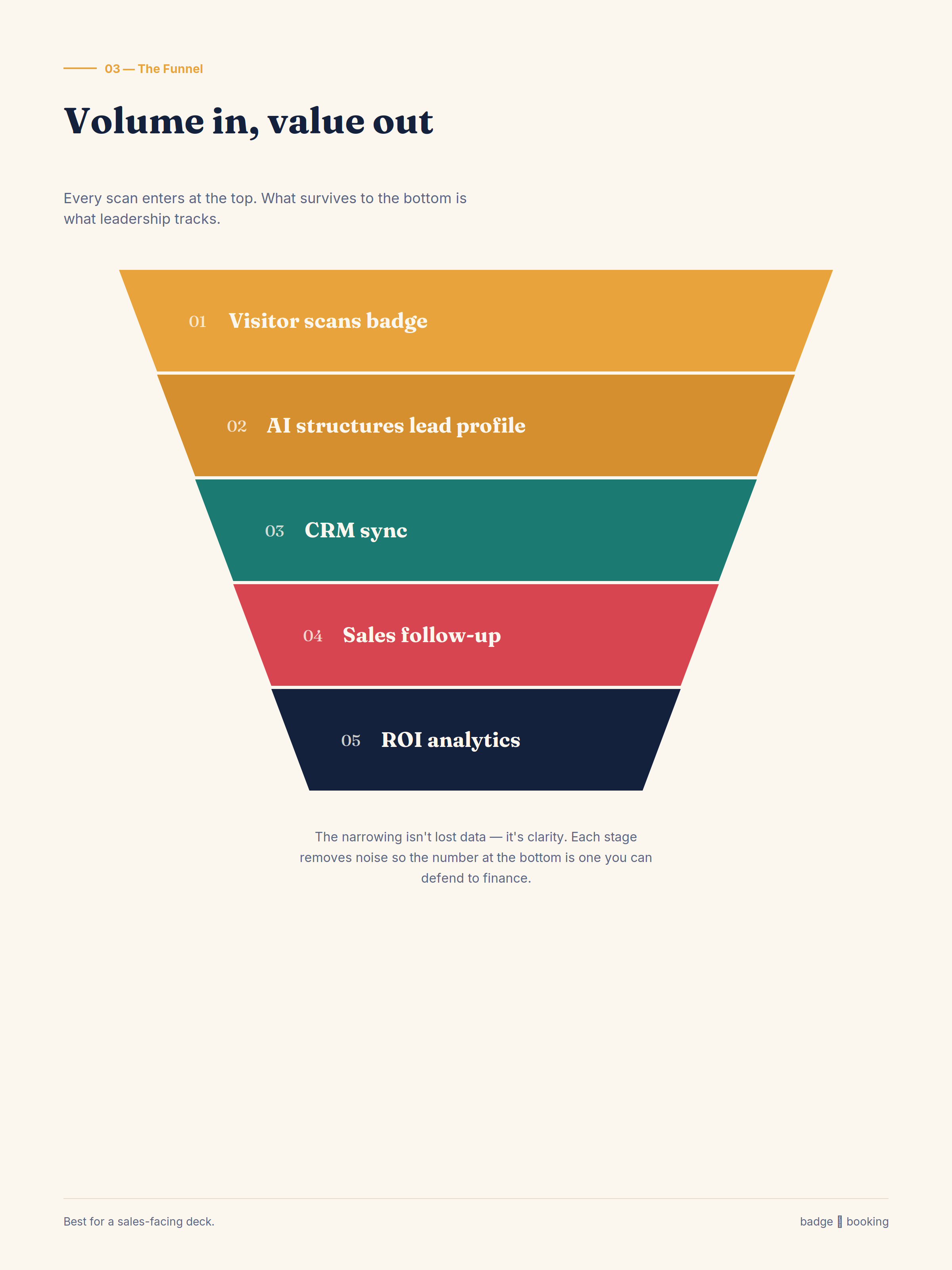
AI-powered systems can help exhibitors make the captured data more actionable. Modern lead retrieval platforms may combine badge information with visitor responses, product interests, and notes recorded by booth staff. AI can then help organise these details into structured lead profiles.
For example, a visitor who scans a badge at a technology exhibition may indicate interest in cloud infrastructure, cybersecurity or enterprise software. A trade show booth builder can support this strategy by incorporating dedicated lead capture counters, interactive displays and meeting areas into the booth layout. The result is a more connected visitor journey, from initial registration to post-show sales outreach.
Transform Your Exhibition Vision into Reality with a Booth Consultation
3. AI Is Helping Exhibitors Qualify Leads in Real Time
Some visitors are ready to discuss pricing, others are researching solutions, and some are simply exploring the exhibition floor. AI can help exhibitors distinguish between these visitor types by analyzing information collected through registration forms, conversations, surveys, and digital interactions.
These categories can help sales teams prioritize follow-up after the event. However, AI-generated classifications should be treated as recommendations rather than definitive judgments. For a custom trade show booth, this approach creates an opportunity to connect interactive experiences with meaningful business outcomes.
4. AI Chatbots Are Supporting Visitors Beyond Staff Availability
Trade show booths can become busy, especially during peak exhibition hours. Staff may be occupied with product demonstrations, meetings or conversations with other prospects. AI-powered chatbots and virtual assistants can help answer routine questions when staff are unavailable.
Depending on their capabilities, these systems may assist visitors with:
- Product information and specifications.
- Company services and capabilities.
- Booth activities and demonstrations.
- Meeting requests and appointment scheduling.
- Frequently asked questions.
- Directions to relevant exhibition areas.
A chatbot displayed on a touchscreen or accessed through a QR code can extend the booth’s information service beyond traditional staff interactions. The key is to ensure that the chatbot provides accurate information and offers a clear route to a human representative when a question requires specialist knowledge.
5. AI Is Connecting Lead Retrieval With CRM and Sales Workflows
One of the biggest challenges after a trade show is managing the large volume of leads collected during the event. Without a clear process, valuable contacts can be forgotten or follow-up can be delayed. AI-assisted lead management tools can help organize collected information, identify missing details, and support integration with CRM platforms.
For example, after a visitor interacts with an exhibitor, the system may help:
- Capture the visitor’s contact and engagement information.
- Identify the appropriate sales representative.
- Draft a personalized email for staff review.
- Track whether the lead progresses through the sales pipeline.
This can improve the consistency of post-show follow-up and reduce the administrative burden on sales teams. For companies planning a trade show in the USA, integrating lead retrieval with existing CRM processes before the event can be just as important as selecting the right booth location.
6. AI Analytics Are Helping Measure Exhibition ROI
Exhibition success is no longer measured only by visitor counts or the number of business cards collected. U.S. exhibitors increasingly want to understand how their event investment contributes to qualified opportunities and revenue.
AI-assisted analytics can help teams review data such as:
- Total registrations and booth visitors.
- Lead sources and visitor interests.
- Product demonstration engagement.
- Lead qualification categories.
- Follow-up response rates.
- Sales opportunities generated.
These insights can help exhibitors understand which activities performed well and where improvements are needed. For example, if a booth attracts many visitors but generates few qualified leads, the exhibitor may need to review its messaging, product presentation or visitor engagement strategy. The objective is to connect exhibition activity with measurable commercial results rather than relying solely on impressions.
7. What U.S. Exhibitors Should Know Before Adopting AI
Before implementing AI at your exhibition booth, consider how the technology aligns with your business objectives, visitor expectations, and data management requirements.
Here are a few points to consider:
- Choose solutions that are easy for visitors to use and integrate with your existing registration, lead retrieval, and CRM systems.
- Data privacy and security should also be priorities, particularly when collecting personal information from attendees.
- Exhibitors should train booth staff to work alongside AI tools and ensure human support remains available when needed. Testing the technology before the event can help identify technical issues and improve the visitor experience.
- For businesses planning a trade show in the USA, the right AI strategy should enhance engagement, support lead generation, and deliver measurable exhibition results.
Conclusion
AI is helping U.S. exhibitors rethink how they manage visitor registration, lead retrieval, and post-show engagement in 2026-2027. From faster check-in and smarter badge scanning to personalised experiences and AI-assisted analytics, technology is making it easier to turn visitor interactions into meaningful business opportunities. However, AI works best when it supports a well-planned exhibition strategy.
The right booth layout, compelling messaging, trained staff, and a reliable lead management process remain essential. Working with a trade show booth builder to develop an engaging exhibition experience, integrating AI thoughtfully can help your brand stand out and improve the value of every visitor interaction. The future of trade shows belongs to exhibitors who deliver experiences that generate measurable results.
💬 Comments (0)
🙂 No comments yet — be the first to share your thoughts!